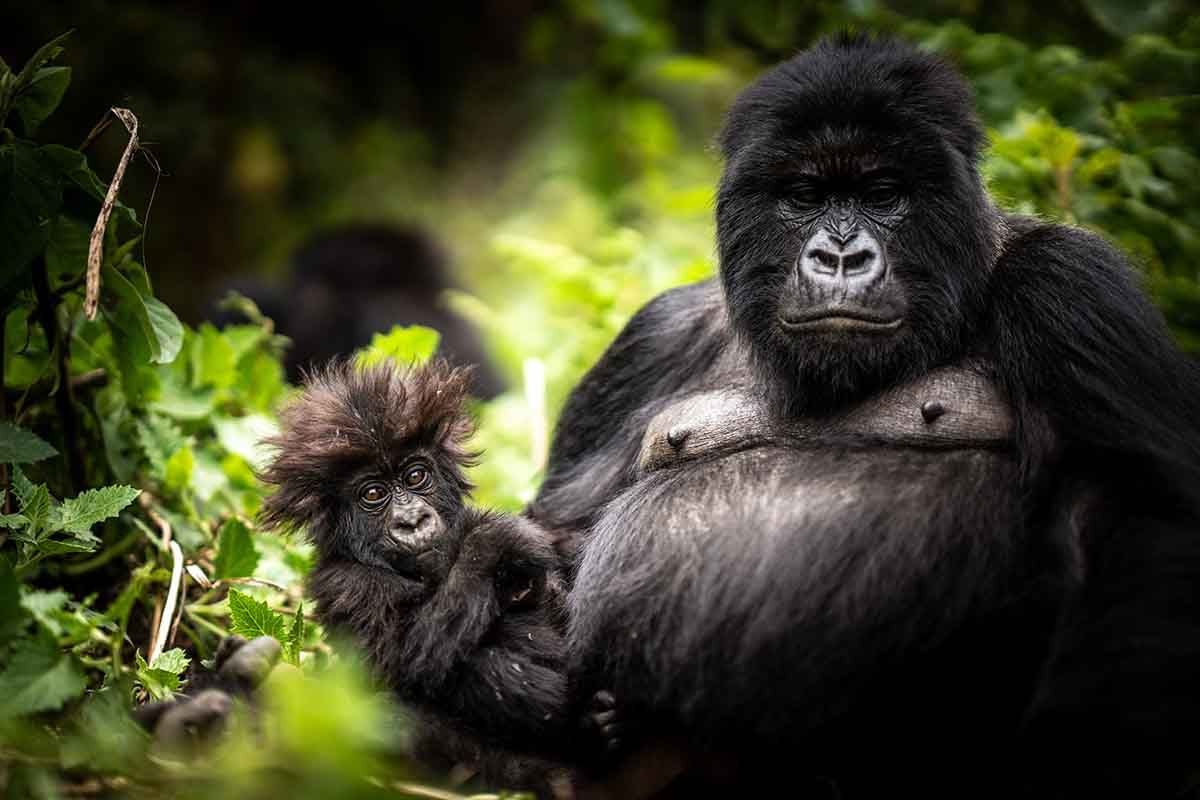
Group gorilla trekking in Rwanda offers a structured, shared, and professionally guided wildlife experience within one of Africa’s most protected ecosystems. Gorilla trekking takes place in Volcanoes National Park, where small groups hike through high-altitude rainforest to encounter endangered mountain gorillas. Unlike mass tourism safaris, Rwanda maintains strict visitor limits to protect both wildlife and visitor experience.
Each gorilla family receives no more than eight visitors per day. This controlled structure means that even “group” trekking remains intimate and well-managed. Whether you are traveling solo and joining other trekkers or arriving as part of a pre-arranged group, understanding how group gorilla trekking works helps you prepare effectively.
How Group Gorilla Trekking Works in Rwanda
Group gorilla trekking begins early in the morning at Kinigi Park Headquarters. All trekkers attend a detailed briefing led by park officials. During this session, visitors learn about safety protocols, conservation guidelines, and trekking expectations.
After the briefing, rangers assign each group of up to eight people to a specific habituated gorilla family. Allocation considers factors such as fitness levels, age, and group composition. Once assigned, each group departs with experienced rangers and trackers who locate the gorillas based on early-morning tracking updates.
Although you share the trek with others, the group size remains small enough to preserve personal viewing space during the one-hour encounter.
Who Joins a Group Trek?
Group treks typically include a mix of travelers from different countries and backgrounds. Some participants join independently, while others travel as friends or family groups.
The shared nature of the hike often enhances the experience. Trekkers encourage one another during challenging sections of the forest trail. Conversations during the hike build anticipation and foster shared excitement before reaching the gorillas.
Because group size remains capped at eight, the atmosphere never feels crowded or overwhelming.
Physical Requirements and Group Pace
Group trekking requires moderate physical fitness. The forest terrain includes steep slopes, uneven ground, and occasional muddy sections. Hiking duration varies depending on the location of the assigned gorilla family.
Read More: Nepal’s Best Short Treks: From Poon Hill to Everest Views
Rangers adjust pace to accommodate group members, ensuring safety and comfort. If participants have varying fitness levels, park authorities may allocate families known for shorter hiking distances when possible.
Hiring a local porter provides additional support and enhances group comfort. Porters assist with carrying backpacks and navigating difficult terrain.
Advantages of Group Gorilla Trekking
Group trekking reduces individual logistical complexity. Travelers benefit from shared ranger guidance and coordinated departure schedules. The small group size fosters a collaborative atmosphere while preserving intimate wildlife viewing.
From a conservation perspective, grouping visitors minimizes daily human exposure to gorilla families. By limiting each family to eight visitors, Rwanda protects ecological balance while maintaining tourism revenue.
Cost efficiency also becomes a factor. Group trekking does not require purchasing multiple permits for private allocation, making it more accessible than exclusive arrangements.
What Happens During the Gorilla Encounter?
Once the gorilla family is located, the group gathers at a safe viewing distance of approximately seven meters. Rangers position participants carefully to avoid crowding while ensuring clear sightlines.
The one-hour observation period begins when the group reaches the gorillas. Visitors watch natural behaviors such as feeding, grooming, juvenile play, and protective gestures from dominant silverbacks.
Photography remains allowed without flash. The group maintains quiet movement and respectful behavior to minimize disturbance.
Despite sharing the experience, many trekkers describe the encounter as deeply personal and emotionally powerful.
Best Time for Group Gorilla Trekking
Group trekking operates year-round. The dry seasons from June to September and December to February offer firmer trails and increased demand. Rainy seasons from March to May and October to November provide lush scenery and fewer visitors. This is the ideal time for both Wildlife safaris and Gorilla Trekking in Rwanda and Uganda.
Because gorillas remain in the forest throughout the year, sighting success rates remain consistently high in all seasons. Weather influences hiking comfort rather than wildlife availability.
Advance permit booking remains essential, especially during peak months.
Safety and Conservation Guidelines
Rwanda enforces strict health and safety protocols for all group treks. Visitors showing symptoms of contagious illness cannot participate. A minimum viewing distance must be maintained at all times.
Flash photography is prohibited, and touching gorillas is not allowed under any circumstances. Rangers ensure compliance to protect both visitors and wildlife.
These rules safeguard gorilla health and contribute to long-term conservation success.
Combining Group Trekking With Other Activities
Many travelers combine group gorilla trekking with additional experiences in Rwanda. Golden monkey tracking within Volcanoes National Park offers another primate encounter. The Dian Fossey hike provides historical context to conservation efforts.
Travelers may also extend their journey to Lake Kivu for relaxation or visit Nyungwe Forest National Park for chimpanzee trekking. Rwanda’s compact geography allows efficient combination of multiple destinations.
Group trekking fits easily within broader safari itineraries.
Final Reflections
Group gorilla trekking in Rwanda delivers a structured and intimate wildlife experience supported by strong conservation standards. Although you share the trek with up to seven other participants, the limited group size preserves exclusivity and minimizes ecological impact.
Read More: Planning Group Cruises? Use a Cruise Travel Agent Now
Volcanoes National Park offers one of the most carefully managed gorilla trekking systems in Africa. Group participation strengthens camaraderie while maintaining personal connection to the encounter.
For travelers seeking a professionally guided and conservation-focused wildlife experience, group gorilla trekking remains an outstanding choice.
Plan Your Group Gorilla Trek With Us
VolcanoesNationalPark.com organizes professionally managed group gorilla trekking experiences in Volcanoes National Park. We secure permits, coordinate accommodation, and arrange seamless transfers from Kigali to ensure a smooth itinerary.
If you are planning to join a group gorilla trek in Rwanda and need expert guidance tailored to your travel dates, contact VolcanoesNationalPark.com today. Our team will design a structured safari that combines unforgettable wildlife encounters with meaningful conservation impact.